
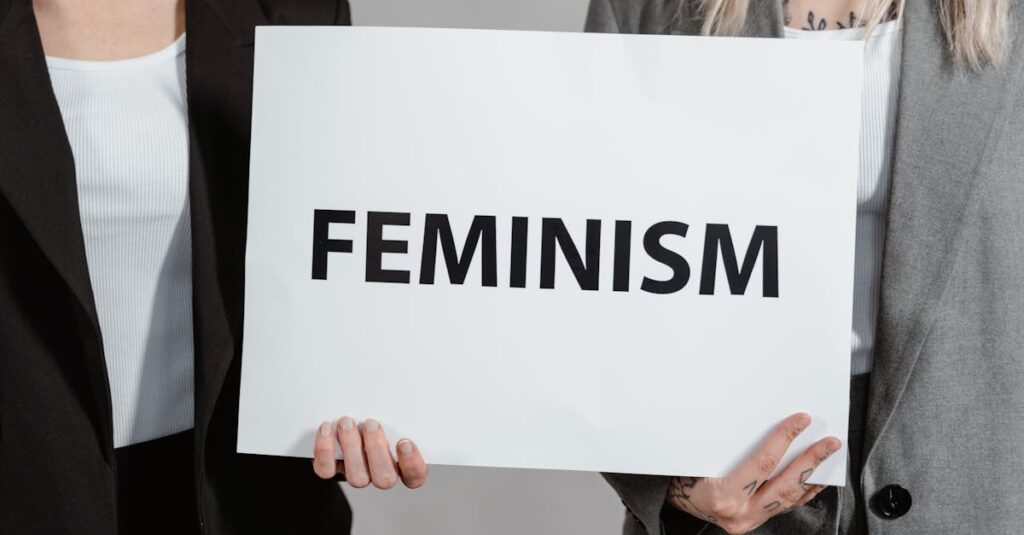
Women Empowerment in Society: Building stronger and Equal society
Introduction
Women empowerment in society is one of the most important movements in modern society. It refers to giving women the power, freedom, and opportunities to make decisions about their lives and contribute equally to society. Empowered women can participate in education, employment, leadership, and decision-making processes without discrimination.
In many parts of the world, women have historically faced inequality, limited opportunities, and social restrictions. However, with growing awareness and global movements, societies are now recognizing the importance of empowering women. Women empowerment not only benefits women themselves but also strengthens families, communities, and economies.
Creating an environment where women can grow, learn, and lead is essential for achieving sustainable development and social progress.
What is Women Empowerment?
Women empowerment in society refers to the process of enabling women to gain control over their lives and make independent decisions. It includes providing equal access to education, healthcare, employment, and legal rights.
Empowerment also means eliminating discrimination, violence, and social barriers that prevent women from reaching their full potential. When women are empowered, they can actively participate in political, social, and economic activities.
Empowered women are confident, independent, and capable of shaping their own future while contributing positively to society.
Importance of Women Empowerment in Society
Women empowerment plays a vital role in building a balanced and progressive society. When women are given equal opportunities, they contribute significantly to economic growth, social development, and innovation.
Empowered women are more likely to educate their children, improve family health, and promote positive values in communities. Studies show that when women are involved in decision-making processes, societies become more inclusive and sustainable.
Furthermore, gender equality promotes fairness and justice, ensuring that both men and women have equal rights and responsibilities.
Education as a Tool for Women Empowerment
Education is one of the most powerful tools for empowering women. When girls receive proper education, they gain knowledge, confidence, and skills to pursue their dreams.
Educated women are more likely to find better employment opportunities, support their families, and contribute to the economy. Education also helps women understand their rights and stand against discrimination or injustice.
Governments and organizations around the world are working to ensure that girls have equal access to education. Encouraging girls to attend school and pursue higher education is a crucial step toward achieving women empowerment.
Economic Independence and Employment Opportunities
Financial independence is another key factor in women empowerment. When women have access to employment and income opportunities, they gain the ability to support themselves and make important decisions in their lives.
Women entrepreneurs and professionals play a significant role in economic development. Many successful women have become leaders in business, science, politics, and technology.
Providing equal pay, fair working conditions, and career growth opportunities can help women achieve financial independence and professional success.
Role of Government and Society in Women Empowerment
Governments and societies play a crucial role in promoting women empowerment. Laws and policies that support gender equality, protect women’s rights, and prevent discrimination are essential.
Various initiatives such as education programs, skill development schemes, and financial support for women entrepreneurs help create opportunities for women to grow and succeed.
Society also has a responsibility to change traditional mindsets and encourage respect and equality for women. Families, schools, and communities must support girls and women in pursuing their ambitions.
Challenges Faced by Women
Despite progress in many areas, women still face several challenges around the world. Gender discrimination, unequal pay, lack of education, domestic violence, and social restrictions continue to affect many women.
In some societies, cultural beliefs and traditions limit women’s freedom and opportunities. These challenges highlight the need for continued efforts to promote gender equality and women empowerment.
Addressing these issues requires cooperation between governments, organizations, and communities to create a safer and more inclusive environment for women.
Steps to Promote Women Empowerment
There are several ways to strengthen women empowerment in society:
-
Promoting education for girls and ensuring equal access to learning opportunities.
-
Encouraging women’s participation in leadership and politics.
-
Providing equal employment opportunities and fair wages.
-
Creating awareness about women’s rights and gender equality.
-
Ensuring safety and protection from violence and discrimination.
By taking these steps, societies can help women reach their full potential and contribute meaningfully to development.
Conclusion
On International Women’s Day, people across the world celebrate the achievements and contributions of women. To understand its deeper impact, read more about [Women Empowerment in Society].
Women empowerment is essential for building a fair, progressive, and prosperous society. When women are empowered, they become active participants in economic growth, social development, and community leadership.
Education, economic independence, supportive policies, and social awareness are key factors that help empower women. While significant progress has been made, there is still a need to address challenges and ensure equal opportunities for all women.
Empowering women is not only about improving the lives of women but also about creating a better future for the entire world. A society that values and supports women will always move forward toward equality, harmony, and sustainable development.